Skip to content
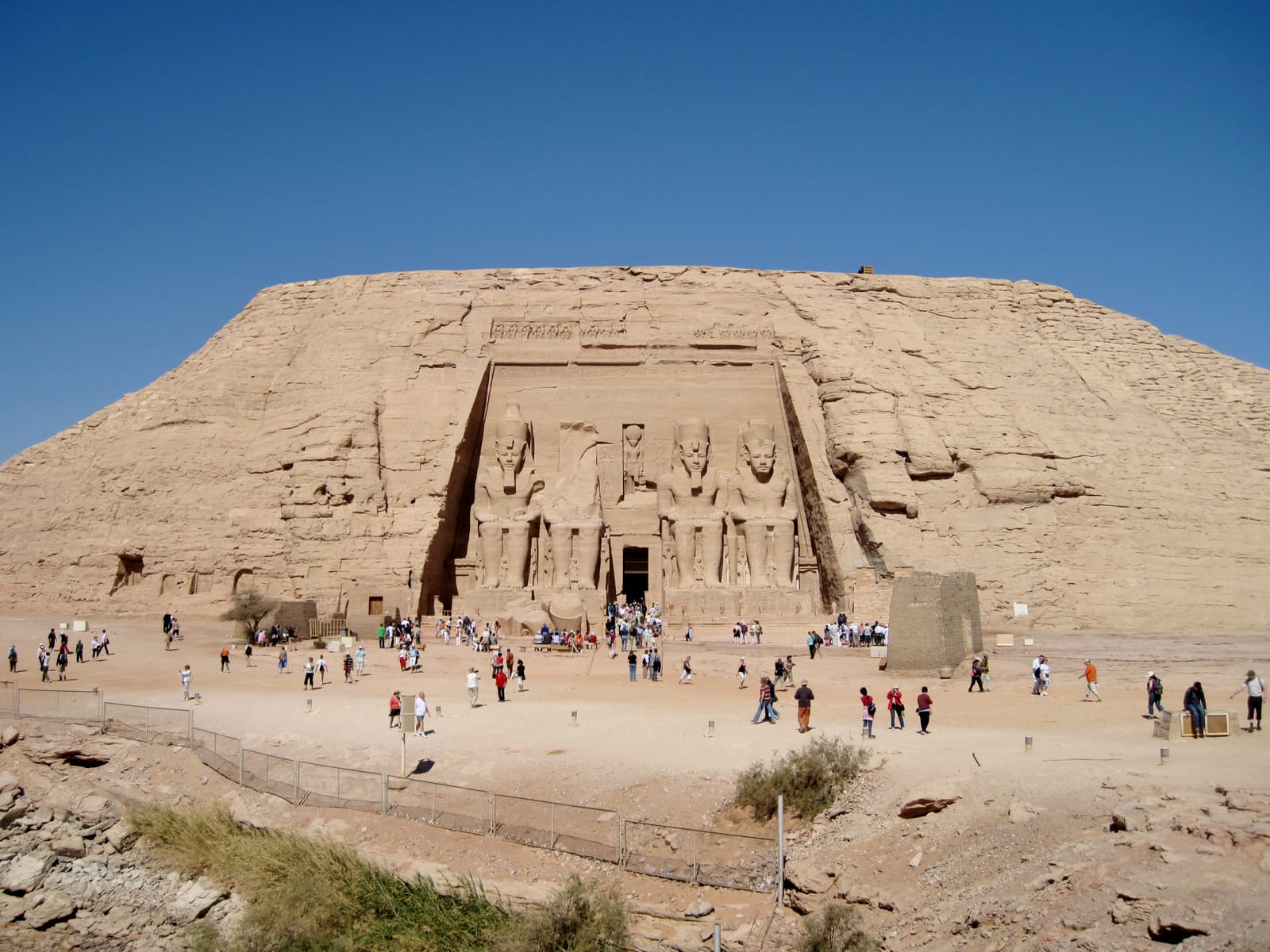
The facade of the Great Temple of Abu Simbel above Lake Nasser

What to see at Abu Simbel

Two temples, one extraordinary rescue story, and a lakeside village most visitors never stop in.

Abu Simbel is a compact site — you can see both temples in two hours — but it rewards anyone who slows down. Below are the monuments, the twice-yearly solar event, the evening show and the Nubian setting that turn a photo stop into a real visit.

The two temples

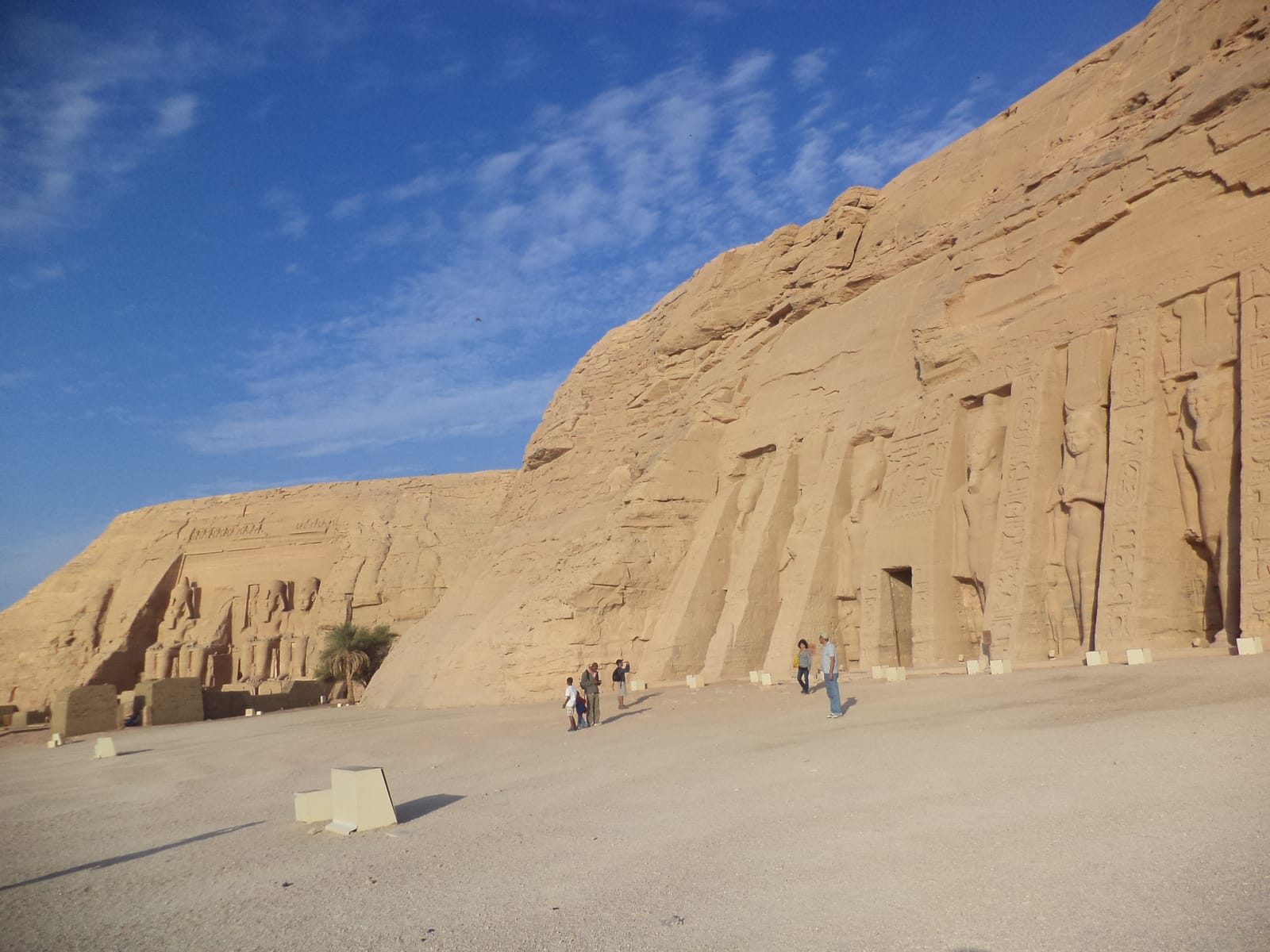
The four seated colossi of Ramesses II on the facade of the Great Temple at Abu Simbel The two temples

Great Temple of Ramesses II

Four colossi, one enormous ego

The most famous rock-cut monument on earth: a 33-metre-wide facade guarded by four seated statues of Ramesses II, each some 20 metres tall, opening into halls carved 60 metres into the sandstone cliff.
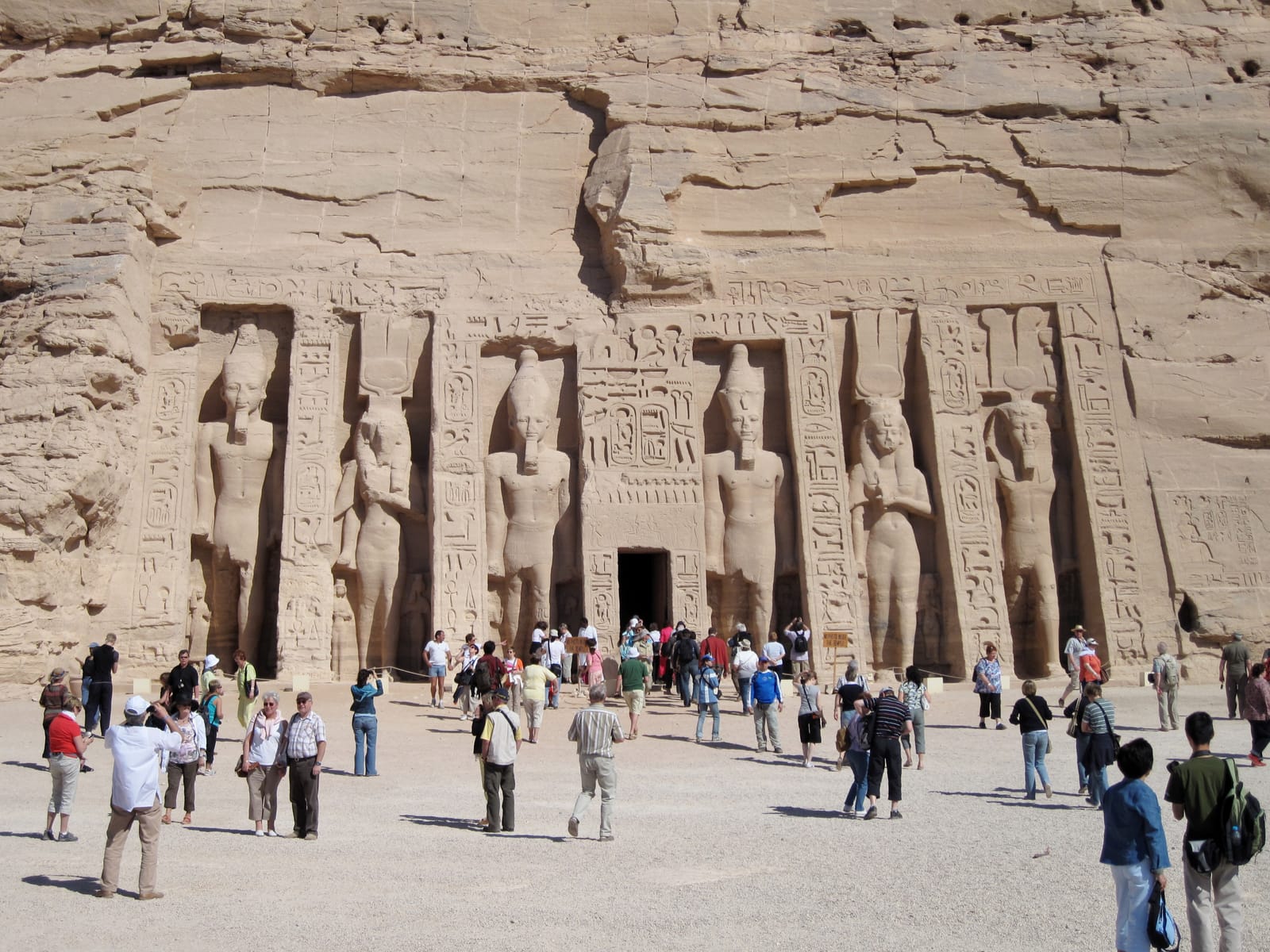
Standing statues on the facade of the Temple of Hathor and Nefertari at Abu Simbel The two temples

Temple of Hathor & Nefertari

The queen carved as an equal

The Small Temple, 100 metres north of its giant neighbour, was dedicated to Hathor and to Ramesses’ favourite wife Nefertari — who appears on the facade at the same height as the king, almost unique in Egyptian art.

Experiences & events

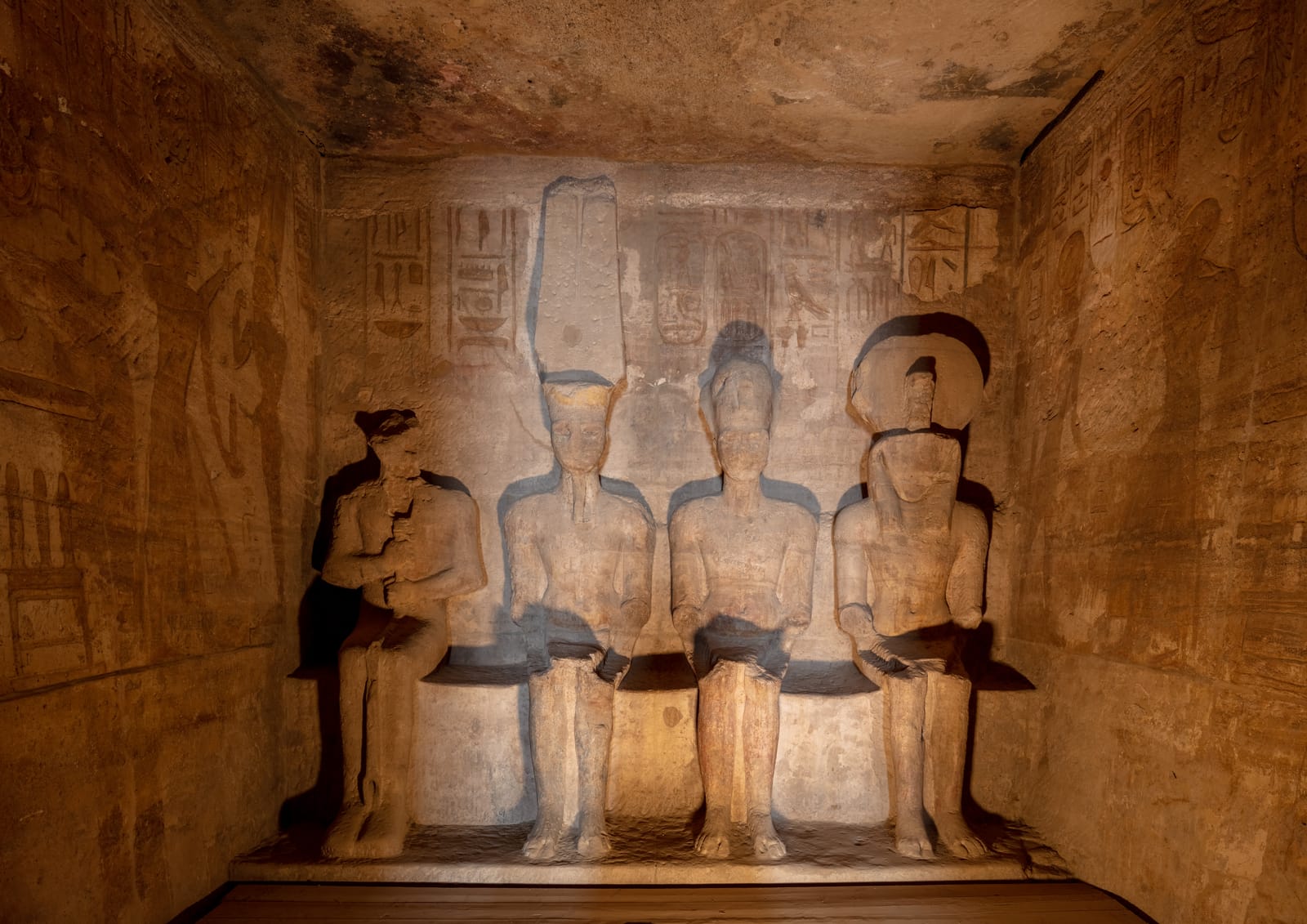
The four seated gods in the innermost sanctuary of the Great Temple at Abu Simbel Experiences & events

Abu Simbel Sun Festival

When the sun walks into the sanctuary

Twice a year — on 22 February and 22 October — the rising sun drives a shaft of light 60 metres through the Great Temple to illuminate three of the four gods in the innermost sanctuary. Egypt turns it into an all-night festival.

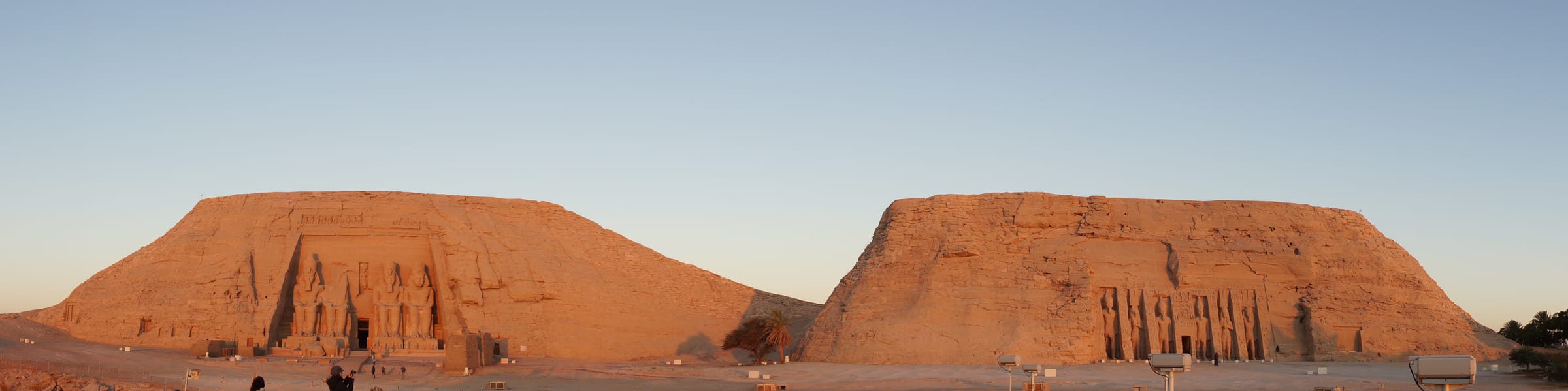
The Great Temple and the Small Temple side by side in the Abu Simbel cliff Experiences & events

Sound & Light Show

The facade after dark

After sunset the temples are floodlit and a projected show tells the story of Ramesses, Nefertari and the rescue, narrated in multiple languages through headsets. It is the reason to stay the night rather than bus straight back to Aswan.

Lake Nasser & Nubia

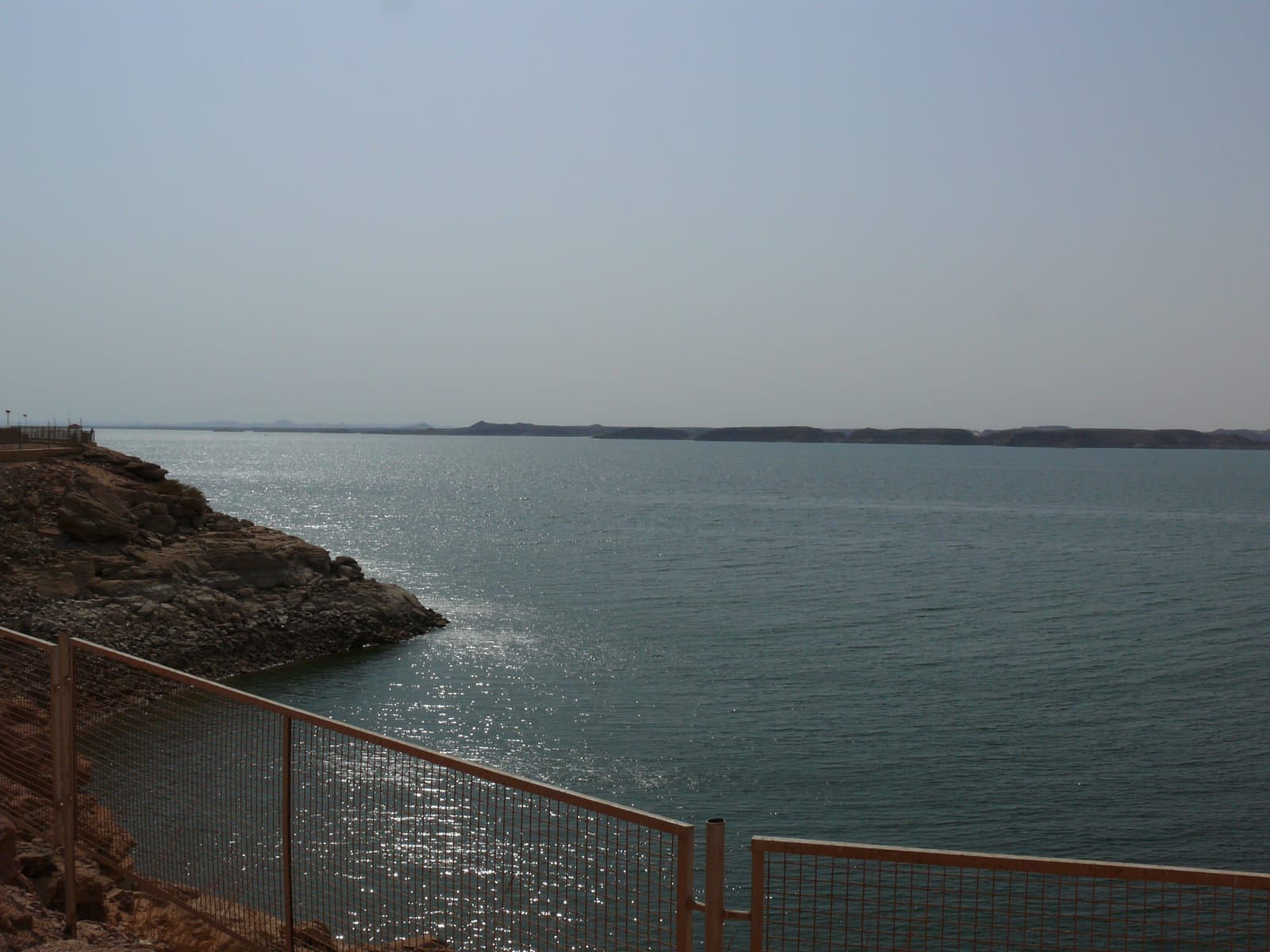
The blue expanse of Lake Nasser seen from the Abu Simbel temple terrace Lake Nasser & Nubia

Lake Nasser

The reservoir that changed everything

One of the largest artificial lakes on earth — 500 km long, reaching into Sudan. It drowned Old Nubia, forced the temples uphill, and today gives Abu Simbel its extraordinary setting: sandstone monuments above hard blue water and empty desert.

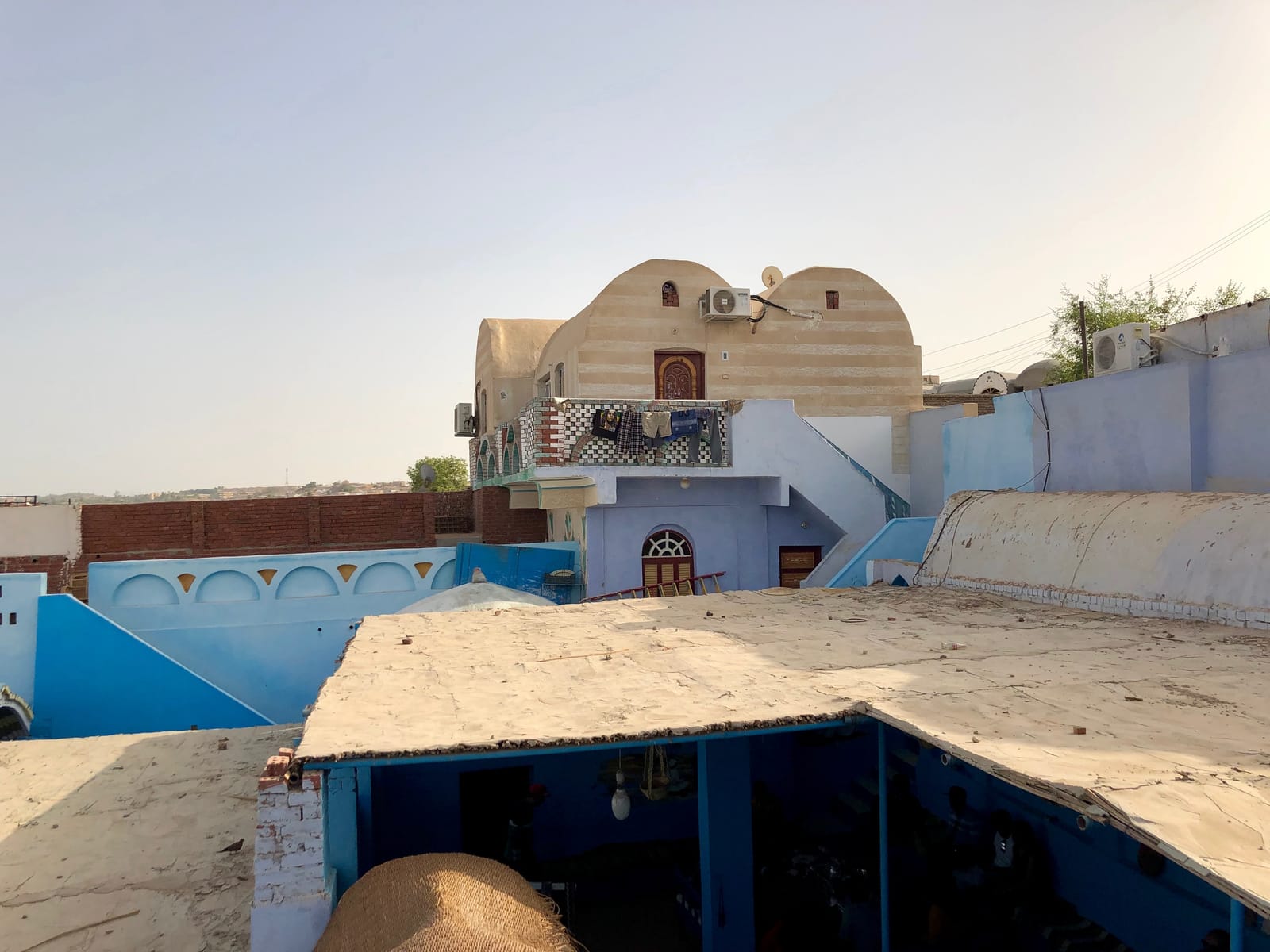
A brightly painted Nubian house with a domed roof in Upper Egypt Lake Nasser & Nubia

Abu Simbel Village

A Nubian town built for the temples

The small town beside the site was created in the 1960s to house the workers who moved the temples, and is home to a largely Nubian community. It has an airport, a handful of hotels, a lakeside promenade — and a rhythm entirely its own once the day-trip buses leave.

Plan your day at Abu Simbel

Stand before Ramesses II at sunrise

Four 20-metre colossi, a sanctuary lit twice a year by the rising sun, and a temple that engineers cut apart and rebuilt on higher ground. Compare tours from Aswan, Luxor and Cairo and book in a couple of taps.